





LISTEN TO ENGLISH VOICE
LISTEN TO MALAYALAM VOICE
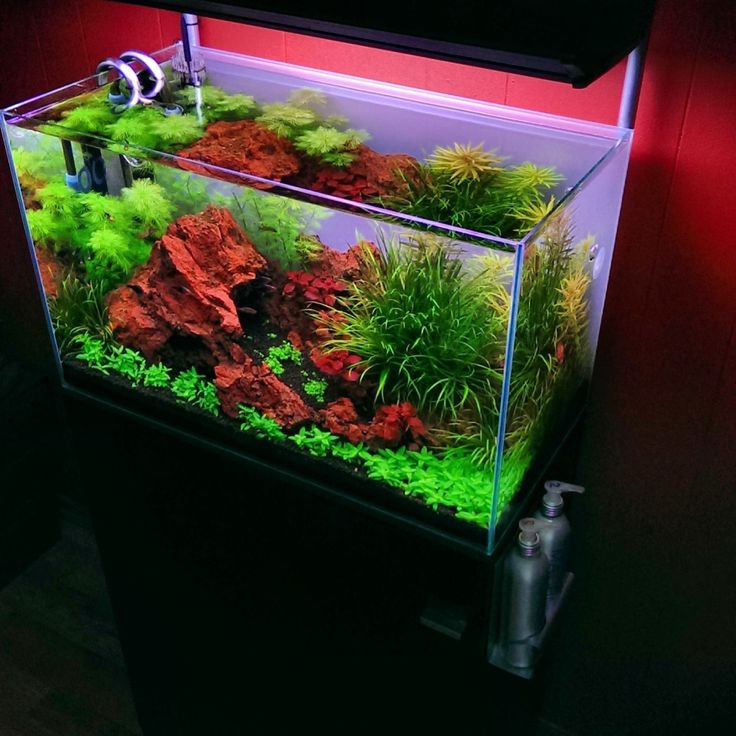
The Planted Aquarium Development Cycle & Importance of CO₂ for Plant Growth
A planted aquarium is a delicate ecosystem that requires careful planning and management. For beginners, understanding the development cycle of a planted tank and the significance of CO₂ for plant growth is crucial. The process involves several stages that ensure a stable, thriving aquascape. Below are seven key points to consider:

1. Initial Setup & Substrate Selection
A nutrient-rich substrate is essential as it serves as the foundation for plant roots to establish and absorb nutrients. Common choices include aquasoil, enriched gravel, or sand with root tabs.
2. Proper Lighting & Photoperiod
Lighting plays a key role in photosynthesis. A well-balanced light spectrum (6,500K–7,000K) with a consistent photoperiod of 6–8 hours ensures optimal growth while preventing algae overgrowth.
3. CO₂ Supplementation & Its Role
Carbon dioxide (CO₂) is the most critical factor in plant metabolism. It drives photosynthesis, allowing plants to convert light energy into sugars for growth. A pressurized CO₂ system or liquid carbon additives can significantly enhance plant health.
4. Water Parameters & Stability
Maintaining stable water conditions (pH 6.5–7.5, GH 3–8, KH 2–5) is crucial. Consistent water changes (20–30% weekly) prevent nutrient imbalances and algae outbreaks.
5. Nutrient Management & Fertilization
A balance of macro (NPK) and micronutrients (iron, magnesium, trace elements) is required. Liquid fertilizers and root tabs help ensure plant vitality.
6. Biological Maturity & Algae Control
A newly established aquarium undergoes a nitrogen cycle. Algae may appear initially but stabilize as beneficial bacteria grow, requiring regular maintenance and balanced CO₂ levels.
7. Regular Maintenance & Observation
Pruning, filter maintenance, and CO₂ adjustments help sustain a healthy ecosystem. Monitoring plant response helps refine care strategies.
By following these steps, beginners can successfully establish a lush, CO₂-enriched planted aquarium that thrives over time.
Comparison of Pressurized CO₂ System vs. DIY CO₂ (Jelly-O Method)
A CO₂ system is essential for a planted aquarium, as it enhances plant growth and overall tank health. Two common methods for CO₂ injection are Pressurized CO₂ Systems and DIY CO₂ (Jelly Method). Below is a comparison highlighting the advantages and disadvantages of each.
| Feature | Pressurized CO₂ System | DIY CO₂ (Jelly Method) |
|---|---|---|
| Setup Cost | High (CO₂ cylinder, regulator, diffuser) | Low (Gelatin, yeast, sugar, bottles) |
| Ease of Setup | Requires technical knowledge | Simple, can be made at home |
| CO₂ Stability | Highly stable CO₂ output | Inconsistent CO₂ production |
| CO₂ Duration | Long-lasting (weeks to months) | Short-term (1-2 weeks per batch) |
| Control & Adjustment | Precise control with a regulator | Difficult to regulate CO₂ output |
| Safety Concerns | Safe if used correctly | Risk of bottle explosion due to pressure buildup |
| Maintenance | Low maintenance, occasional refills | Frequent refilling and monitoring |
| Suitability for High-Tech Tanks | Ideal for high-demand plants and large tanks | Best for small tanks or low-tech setups |
Advantages & Disadvantages
Pressurized CO₂ System
✅ Advantages:
- Provides a stable and adjustable CO₂ supply
- Long-lasting with minimal maintenance
- Ideal for high-tech and heavily planted aquariums
❌ Disadvantages:
- Expensive initial investment
- Requires CO₂ refills and equipment maintenance
- Needs careful setup to prevent overdosing
DIY CO₂ (Jelly Method)
✅ Advantages:
- Extremely cost-effective
- Easy to make and set up at home
- Suitable for beginners or low-tech tanks
❌ Disadvantages:
- Unstable CO₂ output, leading to inconsistent plant growth
- Frequent replacements and monitoring required
- Potential risk of yeast contamination or bottle bursts
Conclusion
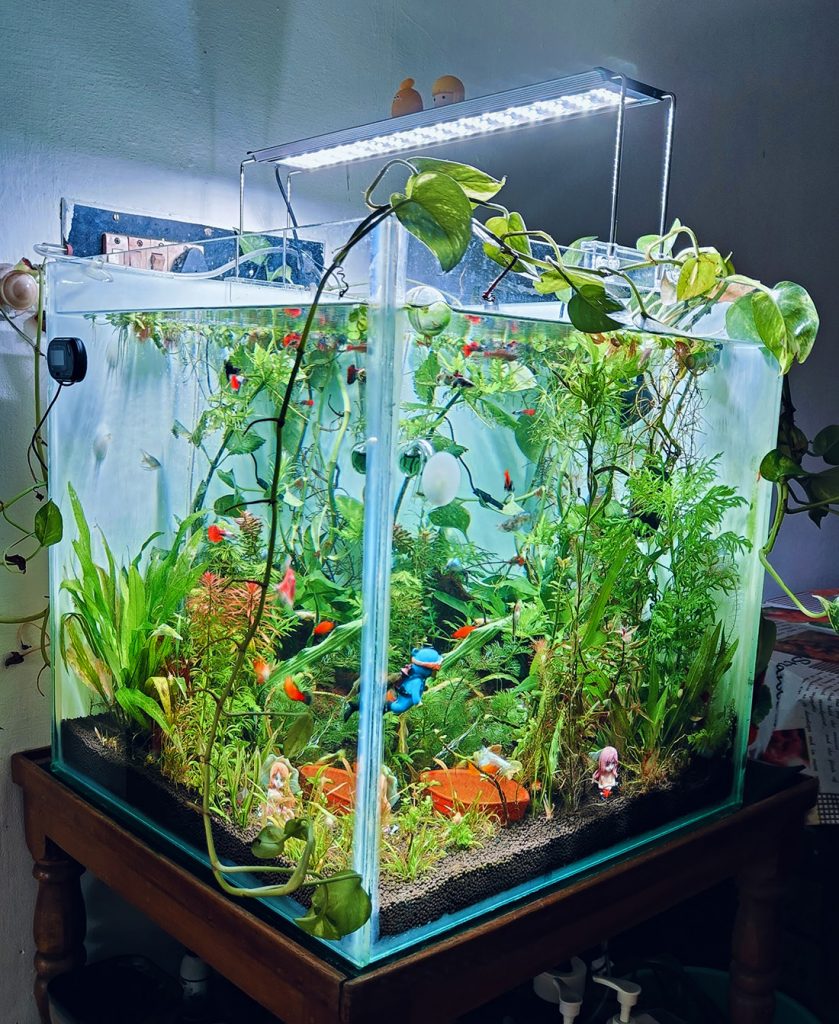
For serious aquascapers, a Pressurized CO₂ System is the best choice for long-term plant health and growth. However, for budget-conscious beginners with small tanks, the DIY Jelly Method offers a simple introduction to CO₂ supplementation.
CLICK BELOW TO SEE THE PDF DOCUMENT